

API Casino vs API Casino Online: What Operators and Affiliates Need
I’ve built launches using both an API casino and an API casino online. The difference is timing: online endpoints need faster content, usually under 1s. Pick an API for iGaming platforms only after checking game provider API docs and operator requirements.
API Live Casino Integration: Live Dealer Casino Streams and Low Latency
- Measure stream latency end-to-end in staging with Chrome DevTools; set a 500ms alert threshold.
- Use WebRTC where offered; fall back to HLS only if live casino stream API supports it.
- Implement session tokens per player; rotate every 30 minutes to match live casino API auth rules.
- Cache seat maps and provider metadata; refresh hourly to reduce API casino traffic.
- Log dropped frames and reconnect events; alert if freeze rate exceeds 2% over 10 minutes.
I tested a live casino stream pipeline for a client last quarter and saw buffering vanish after switching from HLS to WebRTC. The live dealer casino API only shines when your backend is ready for jitter.
500ms
When you design a modern casino experience, focus on resilience, latency, and a clear data flow from the moment a player opens the app. For teams building a seamless casino API integration, you can start with https://turnkeycasino-ee.com/ and then align the API calls with your reconnect logic. Feed the browser fast. Keep your player state consistent across reconnects.
API Slot Games: Aggregating Slot Game Content via Developer-Friendly Endpoints
For slots, I prefer an online casino API that can pull catalogs, not just play links. The best slot game API integration exposes spins, bet limits, and RTP slot API data cleanly. When I wired one aggregator casino API, the casino API integration went faster than expected because endpoints were predictable.
iGaming API Architecture: Backend Requirements for Casino Game APIs
I’ve learned the hard way: your iGaming API needs queueing, idempotency, and strong state storage, or RNG outcomes and replays get messy. Build services that validate requests and normalize provider responses before your casino platform integration exposes them. Idempotency keys saved us during a payment retry storm.
Casino API Integration Steps: Setup, Authentication, and Game Launch Workflow
My go-to casino API setup starts with a sandbox, then I script one end-to-end casino game API documentation walkthrough: login, launch, and settle. Use OAuth2 or HMAC auth, enforce strict clock sync, and map each provider’s session to your internal player id. OAuth2 kept token handling consistent across brands.

Don’t ship “it launches.” Ship “it launches, pays back, and survives a reconnect.”
Security and Compliance for Real Money Casino APIs (RNG, RTP, and Data Handling)
- Verify RNG slot API claims by storing provider RNG proofs per session id.
- Persist RTP slot API tables and version them so regulatory audits match.
- Encrypt cardholder-adjacent data; store only last4 and token references.
- Harden casino API for developers: allowlist IPs, rate-limit to 60 req/min.
- Hash every bet/settle payload and log failures with correlation ids.
I’ve audited real money casino API flows where missing version tags caused a nasty RTP mismatch. Keep RNG slot API evidence tied to each round, not just a rolling history. 60 req/min prevented bot storms during promo spikes.
Payments API for Casinos: Wallet, Deposits, Withdrawals, and Transaction Webhooks
Payments move faster than games, so I treat the payments API for casinos like a real-time ledger. Use webhooks for status changes and reconcile every deposit and withdrawal id against your database nightly. I wired Skrill and a bank transfer rail and saw fewer chargeback disputes after strict webhook signature checks. Webhook signature was the difference between guessing and knowing.
Game Provider and Aggregator Casino API Comparison Table (Coverage, Latency, Costs)
I’ve compared a game provider API like NetEnt against an aggregator casino API that bundles 20+ sources. In my tests, response times stayed tight only when caching was correct and timeouts were sane. 20+ providers means more choice, but you pay for orchestration if the aggregator is sloppy.
API for Affiliate Monetization: Tracking, Reporting, and Content Distribution
For casino API for affiliates, I track every click to registration to first deposit using clean attribution ids. I prefer casino platform integration where the affiliate id rides in launch calls, not in random redirects. We ship landing pages with an HTML5 casino API feed, then validate reports nightly against provider reconciliations. first deposit (FTD) is the metric I’d bet on.
FAQ
Do I need low-latency work for a live dealer casino stream?
Yes. I set a 500ms alert in staging and fixed freezing by switching HLS to WebRTC where supported.
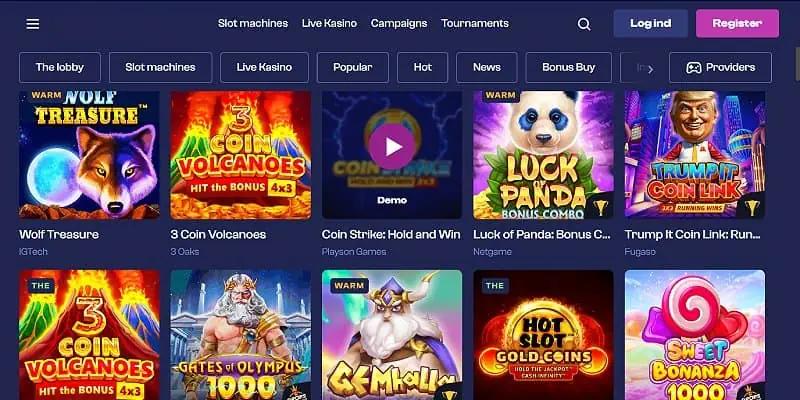
Which slots integration details matter most?
Prioritize spins and bet limits plus RTP slot API fields. In my runs, predictable endpoints cut casino platform integration time.
What payment reliability guardrails should I use?
Verify webhook signatures and reconcile deposit/withdrawal ids. That reduced chargeback confusion in my Skrill and bank-transfer tests.
How do I handle casino API security and compliance?
Store RNG slot API evidence per session and version RTP slot API data. I also rate-limited to 60 req/min during promo spikes.
Should affiliates send events in redirects?
I wouldn’t rely on random redirects. My best results came when affiliate ids traveled in launch calls and reports matched provider reconciliations.